
DIY & ecology
Mulch with leaves and grass clippings from your garden
Identify available materials, cover a small area and adapt mulch to crops and season.
Original Permah text · Adapt to your context · 3 min read
- Difficulty
- Beginner
- Time to allow
- One application session, then seasonal checks
- Budget planning
- Record collection, transport and missing equipment
- Materials
- Suitable leaves or clippings, rake, buckets and weeding tool
List the materials already available
A bag of leaves behaves differently from grass clippings. Before mulching, record the material, its condition, available quantity and intended area. Use clean, identifiable inputs; set aside diseased plants and weeds carrying seeds. Ask neighbours where donated material came from and what was applied to the plants.
Mulching can make use of resources already present. That does not establish a numerical water or carbon saving without measurement. Start your garden notes with practical observations: where does soil dry, which crops occupy the area and where will you sow next?
Gather equipment
You need suitable leaves or clippings, a rake, buckets, a weeding tool and watering equipment. A shredder is unnecessary for starting with easily handled material. Record actual purchases, any transport and preparation time. A free material can still take substantial effort to move.
Cover one initial area
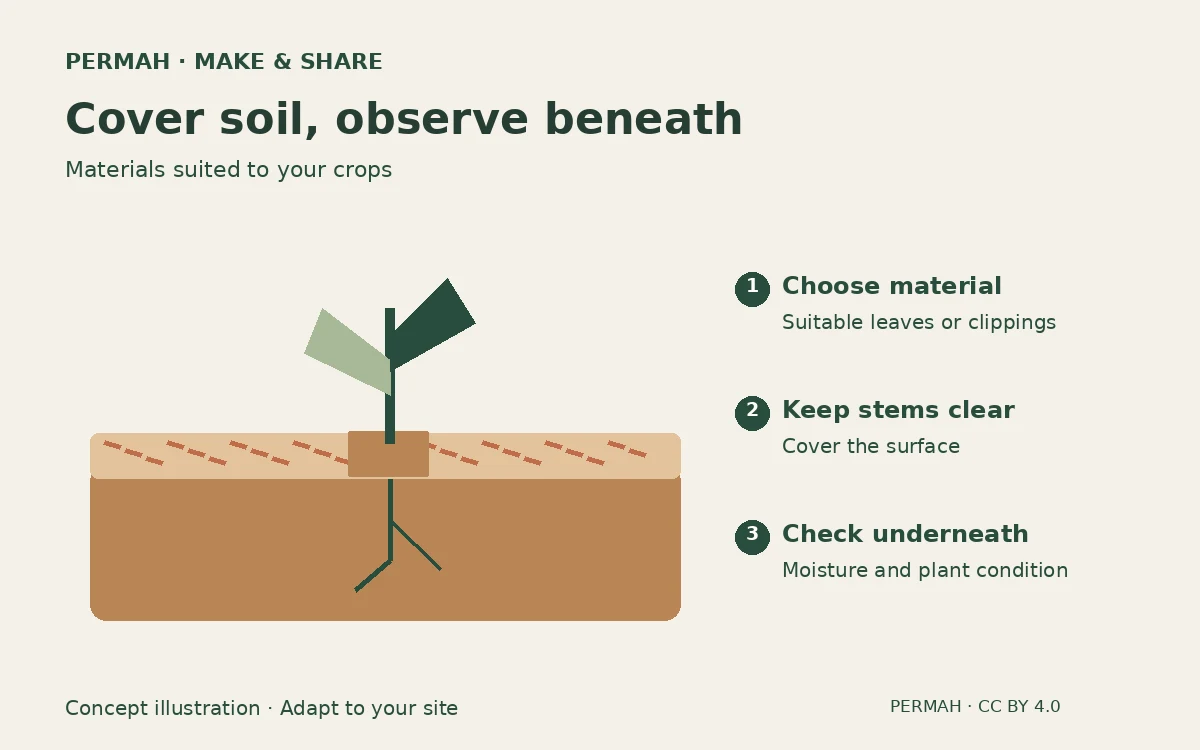
1. Choose a small planted area and locate upcoming sowings. Remove unwanted plants and examine the soil.
2. Let wet clippings dry slightly before spreading, following ADEME guidance. Avoid compacted clumps.
3. Spread material on the surface. ADEME gives a general reference of 3–5 cm, more for leaves; adapt it to the material and observations. Do not dig it into the soil.
4. Leave the base of stems clear. Move mulch away where you will sow because it can obstruct emergence.
5. Check moisture under the cover and adjust watering to observed needs. Do not mulch frozen soil expecting it to warm.
Review what happens
Choose a review date and record settling, movement and decomposition. If the layer becomes sticky, stays excessively wet or coincides with damage around seedlings, open it up and reconsider material and thickness. Mulch requires adjustment. Moving it aside in early spring may help vegetable-garden soil warm.
For comparison, observe a nearby area with similar soil and crops, recording different exposure or watering. This is not a controlled scientific experiment, but it helps distinguish observations from certainty.
Share the resource
Offer leaves or small batches to neighbours with known provenance and an agreed collection point. A useful community listing describes the material, approximate volume, packaging and collection arrangements. Do not deposit unwanted material without agreement: sharing resources includes sharing their practical constraints.
Sources and method
Original Permah guide. Organisational proposals and planning estimates are editorial; the references below document the cited principles. Sources checked on 16 October 2026.
Books to explore further
Descriptions based on publisher listings. Check edition and language before choosing.

Le guide Terre vivante du potager bio — Nouvelle édition
A guide from sowing to storing harvests. The publisher’s contents include French climate zones, seasonal work and calendars: references to adapt to your own garden.
Publisher / author page ↗Search on Amazon ↗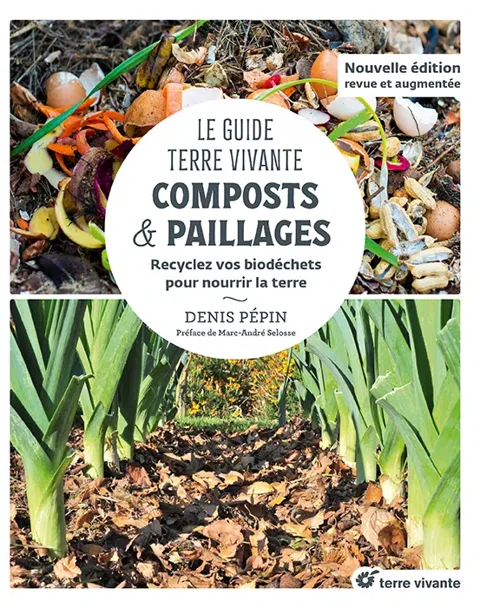
Le Guide Terre vivante — Composts & paillages
A guide to organic materials, composting systems and mulching. The publisher describes system choices, their limits and garden uses.
Publisher / author page ↗Search on Amazon ↗Equipment to compare for this guide
First check what you can borrow or reuse. Documentary selection; Permah has not physically tested these products.
Watering
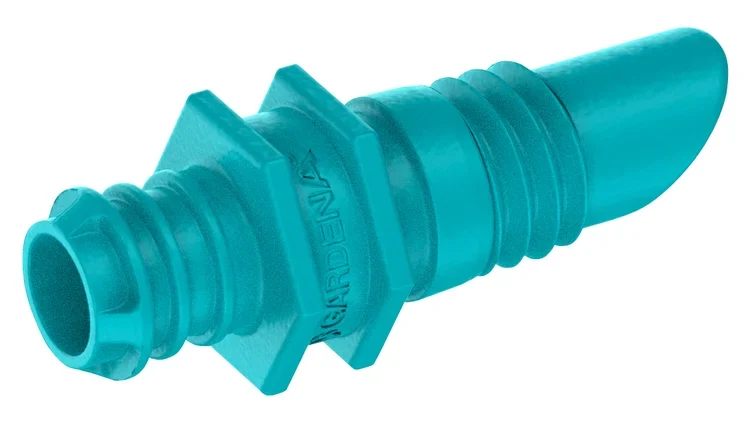
GARDENA Micro-Drip 13307-20
Pressure-compensating 2 l/h endline drippers; pack of 25 with one cleaning needle.
Uses & things to check
For planning localised irrigation in a compatible system.
This is not a complete kit. Check pressure, filtering, connectors and pipes before ordering.
Soil & weeding
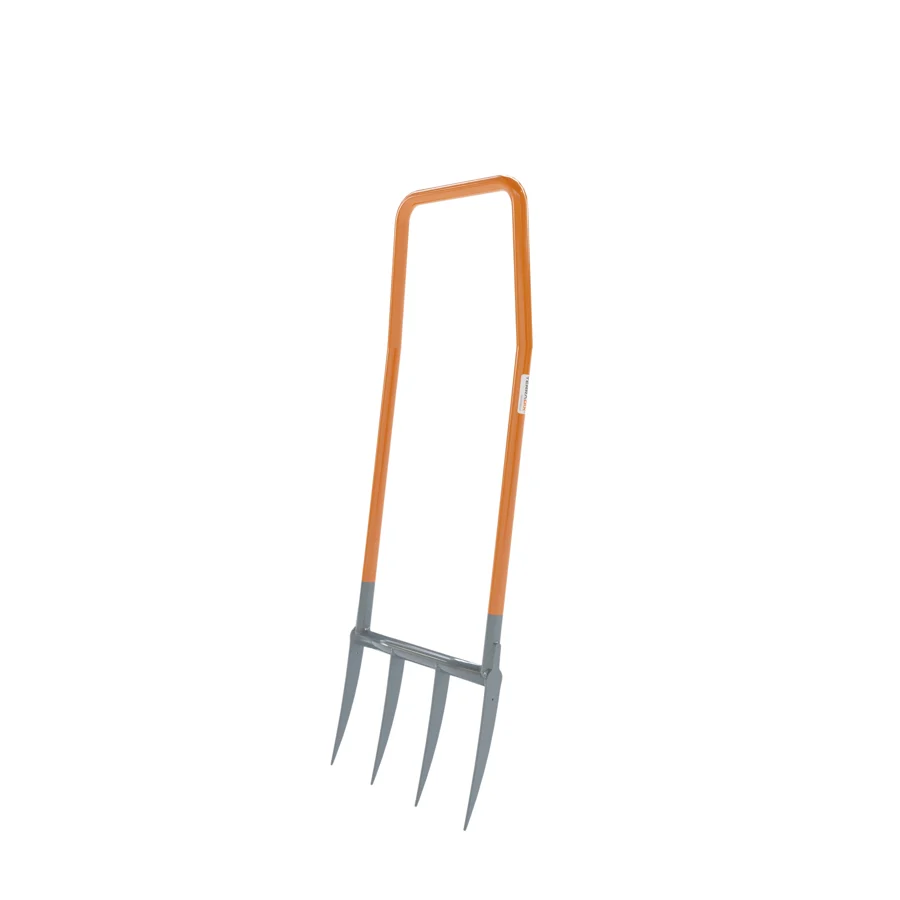
TERRADIX 4×250 Doubleshaft
Broadfork with four 25 cm tines; working width 40 cm.
Uses & things to check
Loosen a growing bed without inverting the soil.
Match effort to your soil; avoid stones and waterlogged ground.