
DIY & ecology
Voluntary simplicity and the oasis movement
From Pierre Rabhi’s writing to shared ecological places: connect needs, living systems and cooperation.
Original Permah text · Adapt to your context · 2 min read
- Difficulty
- Introduction · shared discussion
- Time to allow
- Plan, then build to suit the project
- Budget planning
- Price from quotations and inventory
- Materials
- Notebook, readings and a willing small group
A book for questioning needs
In Vers la sobriété heureuse, Pierre Rabhi reflects on voluntary moderation and relationships with living systems. Permah presents the book as an essay and personal perspective, not scientific proof or a universal recipe. Readers can discuss the ideas and compare other experiences.
Voluntary simplicity must account for real circumstances. Reducing waste and making room for time and relationships should not mean giving up essential needs. Start by noting what is useful, imposed and shareable.
Oasis and shared places
“Oasis en tous lieux” refers to a historical approach associated with Pierre Rabhi. Today's oasis network includes varied cohousing projects, ecological places and welcoming venues. There is no single house to reproduce everywhere. Coopérative Oasis and Habitat Participatif France offer a joint map of projects.
When arranging a visit, ask about everyday life as well as equipment: duties, newcomers, decisions, resources, maintenance and inclusion. Ecological technology alone does not create cooperation.
A shared experiment
Choose one thing to share: bulk purchases, tools, meals or a room. Name willing participants, limits and available time. Set up a short trial with usage rules and a review date. Observe whether it reduces work or transfers it to a few people.
Read and meet
Combine reflective writing, a practical community book and a site visit. Diana Leafe Christian's Vivre autrement offers tools for common purpose and organisation. Network resources help locate contacts. Housing, land and financial commitments then require project-specific assessment.
Connect the topics
Sources and method
Original Permah guide. Organisational proposals and planning estimates are editorial; the references below document the cited principles. Sources checked on 16 October 2026.
Books to explore further
Descriptions based on publisher listings. Check edition and language before choosing.
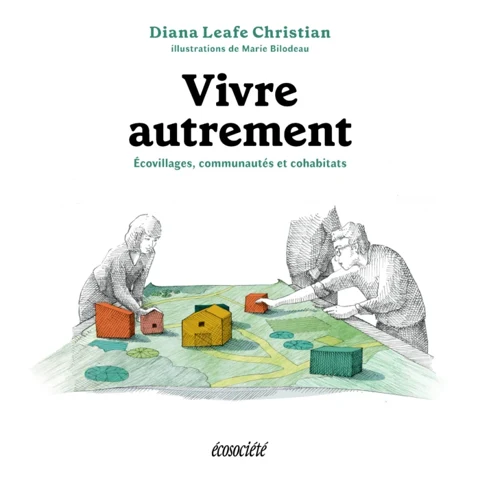
Vivre autrement — Écovillages, communautés et cohabitats
Complementary reading on collective living projects and their organisation. For thinking about how a group works.
Publisher / author page ↗Search on Amazon ↗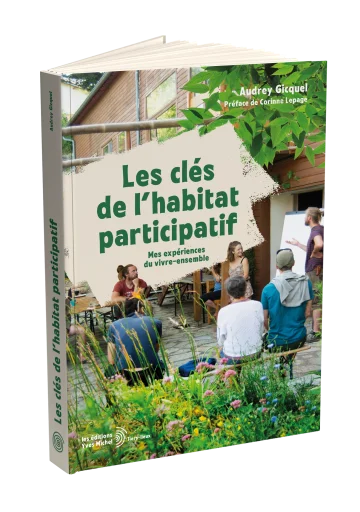
Les clés de l’habitat participatif — 3e édition
Experience-based guidance on forming a group and living in cohousing, including communication and collective decisions. The book addresses the French context.
Publisher / author page ↗Search on Amazon ↗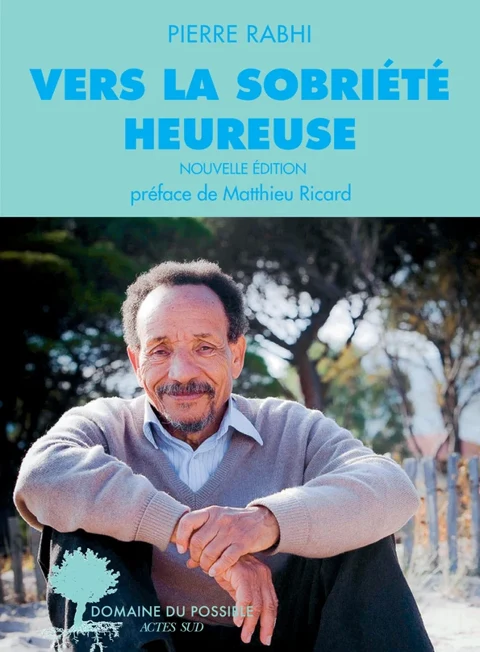
Vers la sobriété heureuse
An essay and personal account on moderating needs and relating to living systems; a philosophical perspective.
Publisher / author page ↗Search on Amazon ↗